

Shorimbo Temple : Historic Buildings and Painted Ceilings, Watched Over by Generations of Monks

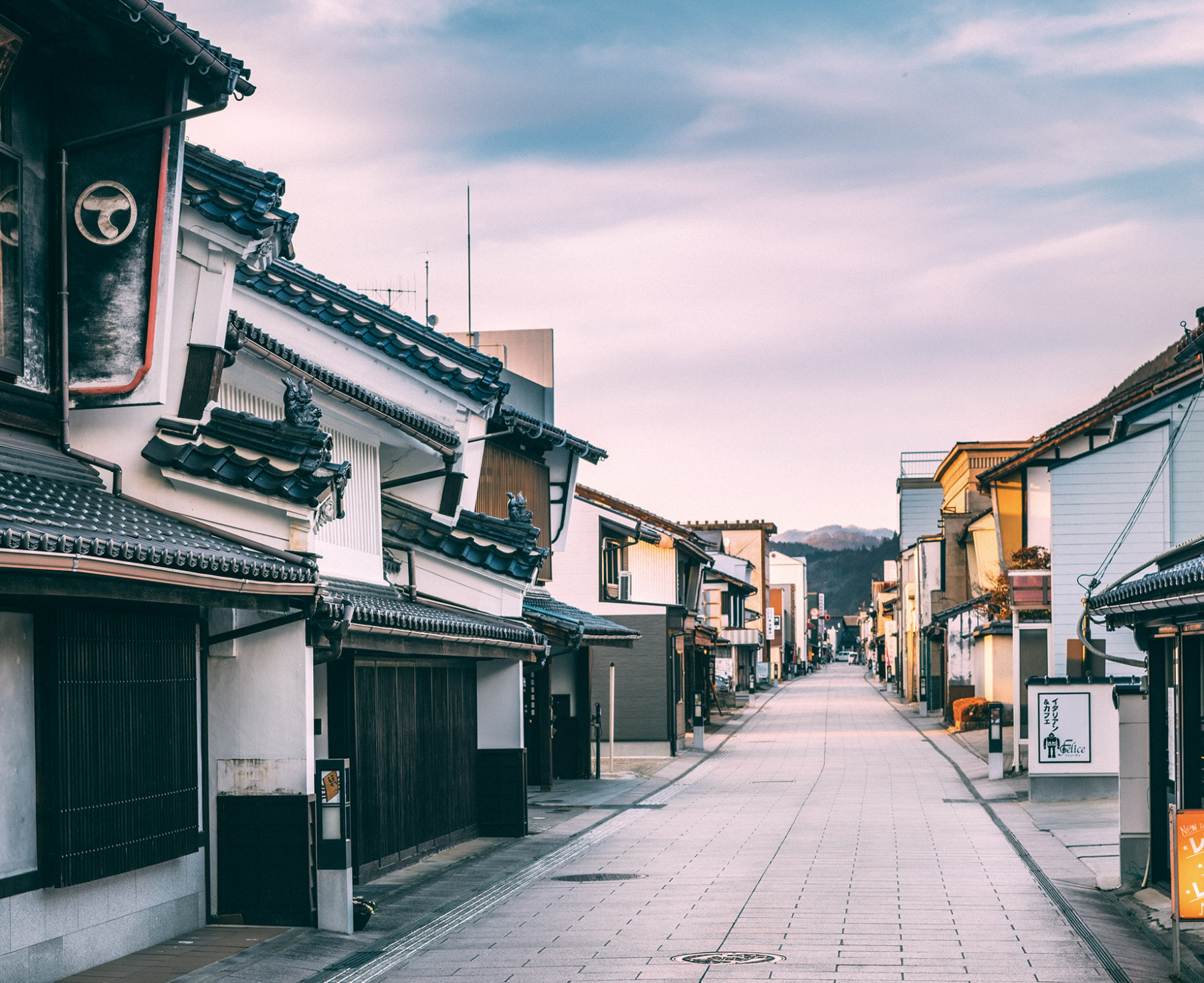
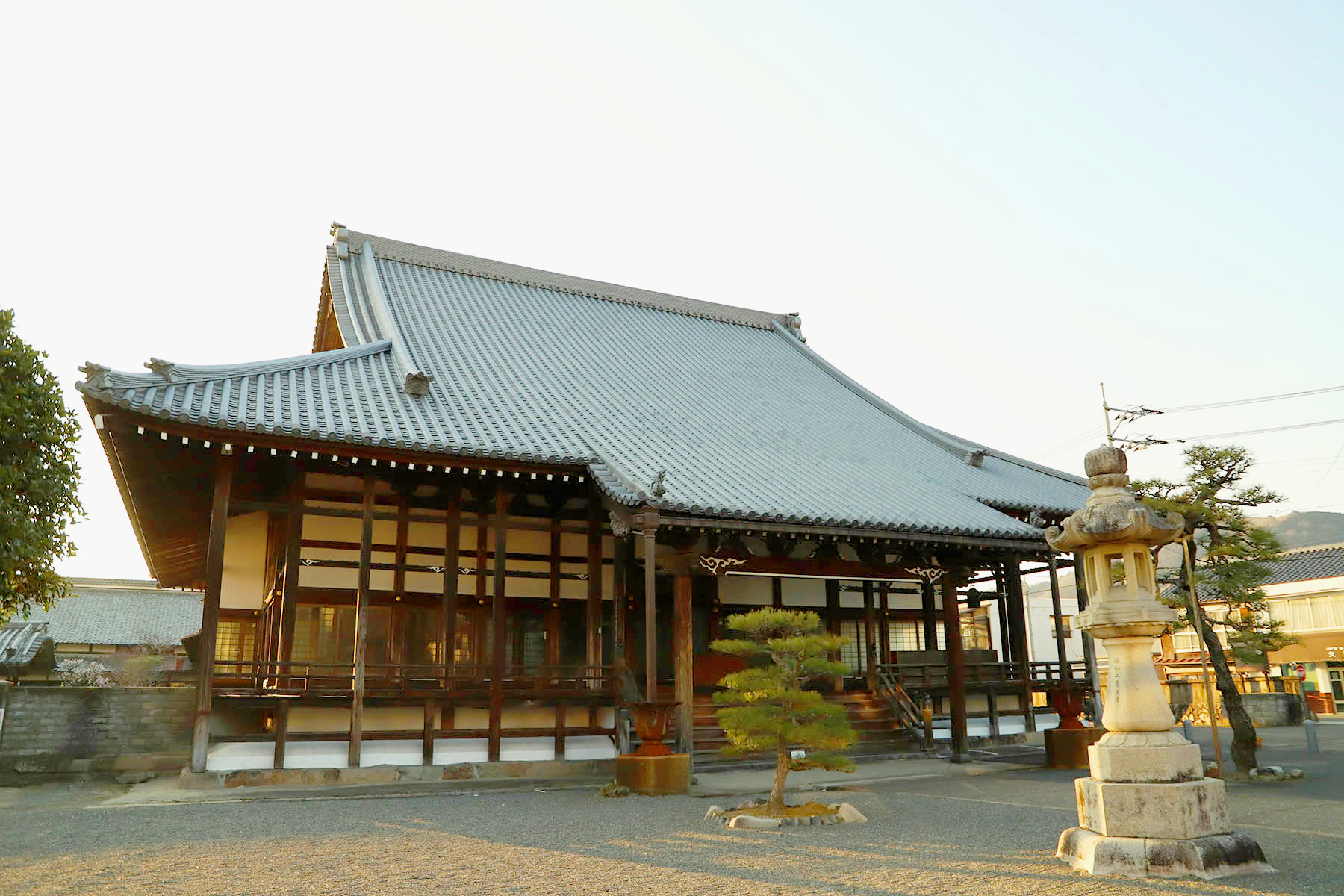
At the end of Miyoshi’s old Hondori shopping street, not far from the iconic Tomoebashi Bridge, lies the quiet Shorimbo Temple and its tranquil grounds. Just a stone’s throw from the hustle and bustle of one of Miyoshi’s most popular sightseeing areas, this temple is famous for historic buildings and beautifully preserved paintings decorating the ceiling, plus one long family history!

Shorimbo was first established by the monk Myoko, a disciple of Jodo Shinshu Buddhism founder Shinran and one of the six old monks of the Kanto region, way back in the Kamakura period (1185–1333). At that time, the temple was located in the coastal city of Fukuyama, but Shorimbo’s tenth head monk moved everything to Miyoshi in 1602, the final year of the Azuchi-Momoyama period. For the long span of this temple’s history, including the past 400 years in Miyoshi, the shrine has been protected and preserved by 23 generations of monks, all from one family. To this day, head monk Koei Akeyama watches over Shorimbo Temple, just as his family has for centuries.

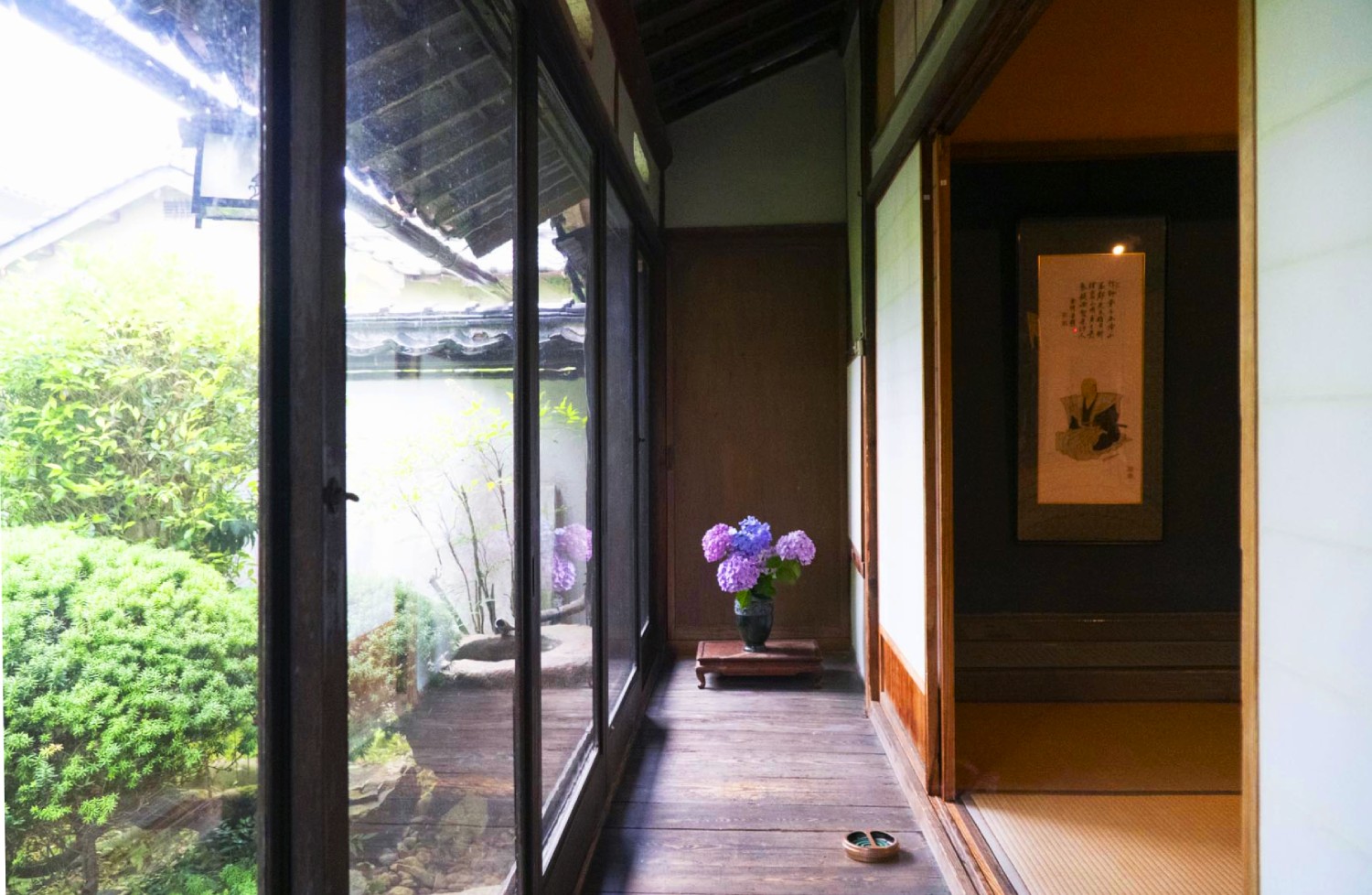
All the buildings in the Shorimbo Temple complex have their own long histories, and eight of them are storied enough to make it onto Japan’s list of officially designated tangible cultural properties. That includes the temple gate, which was erected back in 1665, just a few decades after the temple was moved to Miyoshi, and quite a few structures built in the mid-Edo period, like the bell tower and the area where Buddhist scriptures are kept. The current main hall was constructed towards the end of the Edo period, in 1852, and still maintains a unique row of bell-shaped windows in the corridor that connects to the monastic living quarters. While some of the buildings have been renovated or fully rebuilt over the years, the layout of the temple grounds is the same as it was back in the Edo period, and visitors can imagine themselves treading the paths just as others have done for hundreds of years.

Under the temple roof, the main hall is unusually large for an Edo-era construction, with a broad swath of tatami mats on the floor and particularly high ceilings. Visitors who look up into the high rafters are rewarded with quite a sight, however. The ceiling is covered with 180 unique paintings of green leafy plants and bright flowers, dating back hundreds of years and carefully preserved over the centuries.
Head monk Koei Akeyama clearly works hard to protect the beauty of this historic temple, while looking to the future of Shorimbo as a place for the community to come together. In recent years, the temple has hosted student concerts and Miyoshi mononoke-themed events, and lucky travelers might happen upon an event when walking past Shorimbo on Miyoshi’s old shopping street. But even on quiet days, sightseers shouldn’t miss the chance to pop into the quiet courtyard, and take a look at the Edo-era treasures of Shorimbo Temple.

Information
| Title | Shorimbo Temple (浄土真宗本願寺派 明鏡山 照林坊) |
| Address | 1280 Miyoshimachi, Miyoshi |
| Hours | 0824-62-2284 |